Difference Between OEM and ODM, and How to Choose
The distinction between OEM and private mold development lies in who defines the product, which also affects the timeline and investment required.
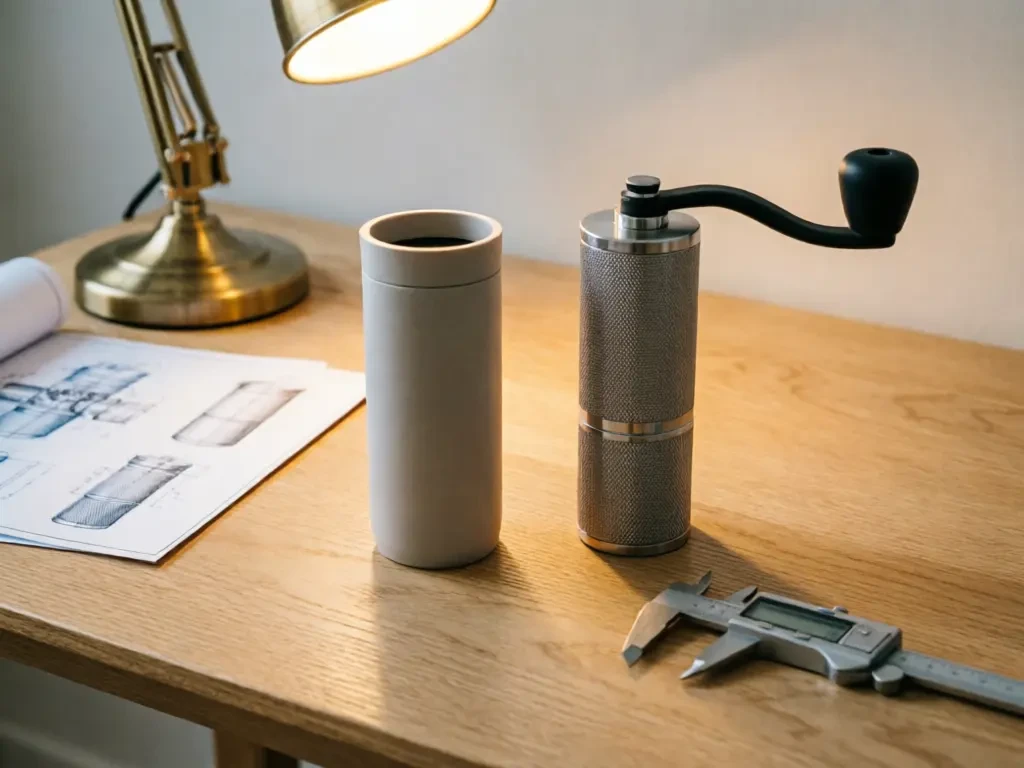
OEM: Product definition complete
OEM involves adjusting colors, surface finishes, branding, and packaging on established models. Changes focus on visible elements with low mold development costs, making it ideal for projects targeting existing price segments and distribution channels that need quick market entry. The key criterion is simple: Can your current platform support your target scenario and pricing?
ODM: Product definition needs to be redone
Custom mold design starts at the product definition stage: redefining the appearance, structural concept, and functional specifications before tooling begins. This path requires a longer timeline and higher investment but delivers true differentiation. Choosing between options depends on your target market, time window, and expected sales volume—not just the quoted price.
Mixed paths are also common.
In real-world projects, strategies are often combined: start with OEM models to test channels and price points; once validated, invest in custom molds for core models to concentrate resources on high-volume SKUs.